

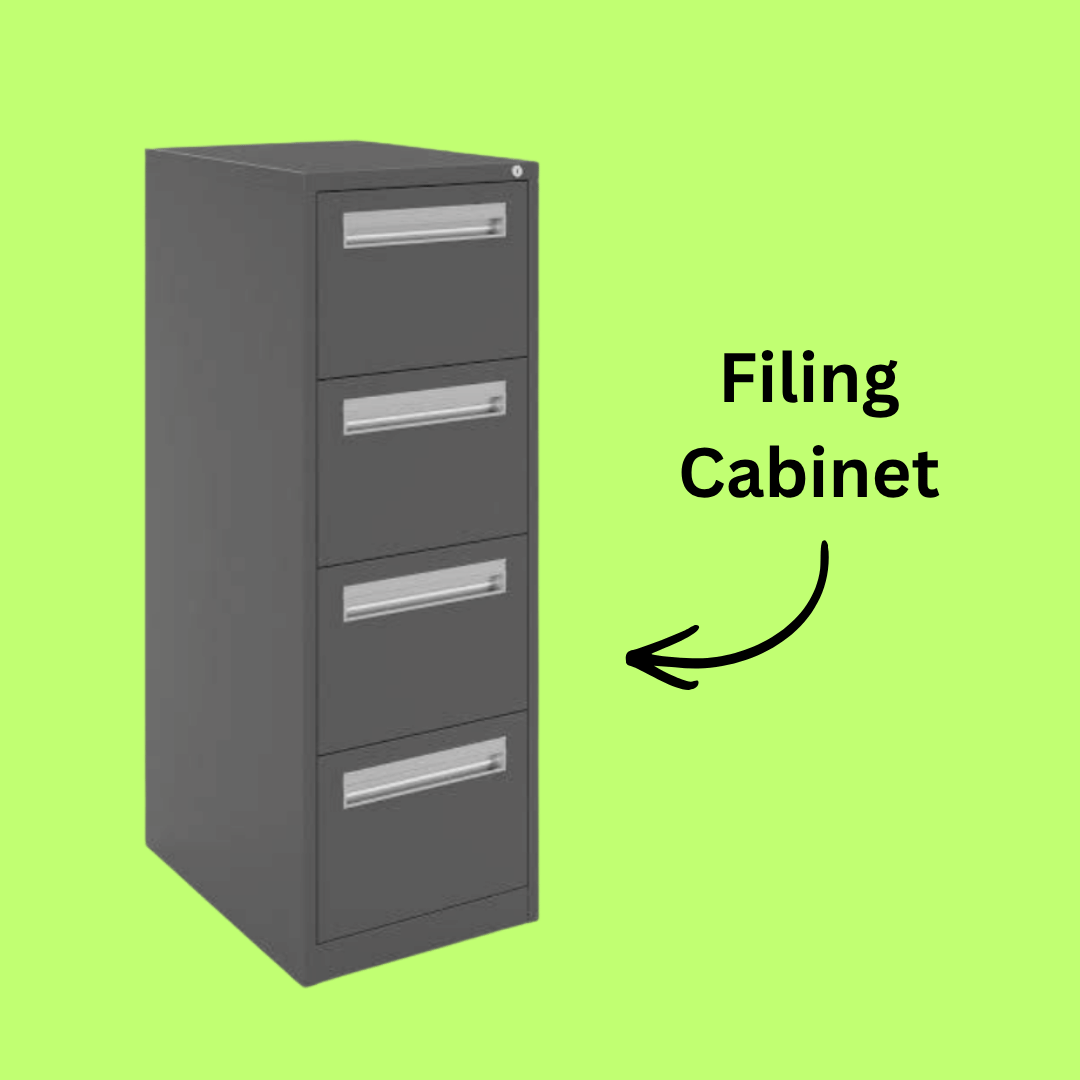
I’ve started to call Category Entry Points ‘The Mental Filing Cabinet’… as of about 48 hours ago. While I would love to take absolute credit for it, it was really my good friend Gemini that alluded to some sort of storage system. Filing cabinet came to my mind, and there we have it.
It makes perfect sense!
Filing cabinets in and of themselves aren’t really ‘marketed’ - the brands that build them market themselves, not the general idea of a filing cabinet. If they all did that, theoretically no one brand would out sell the other (given they all had the exact same price, distribution, look, feel, etc…aka never happening).
But then what caused me to think of a filing cabinet when the two words ‘memory’ and ‘storage’ were moulded together?
It was the sole category category entry point it was designed to fill - something you can easily open, file and store important documents in.
What are Category Entry Points?
The human mind is designed to process things as easily as it possibly can, simply because there is genuinely so much going on around us, which is only amplified in today’s age of brain rot and Instagram Reels
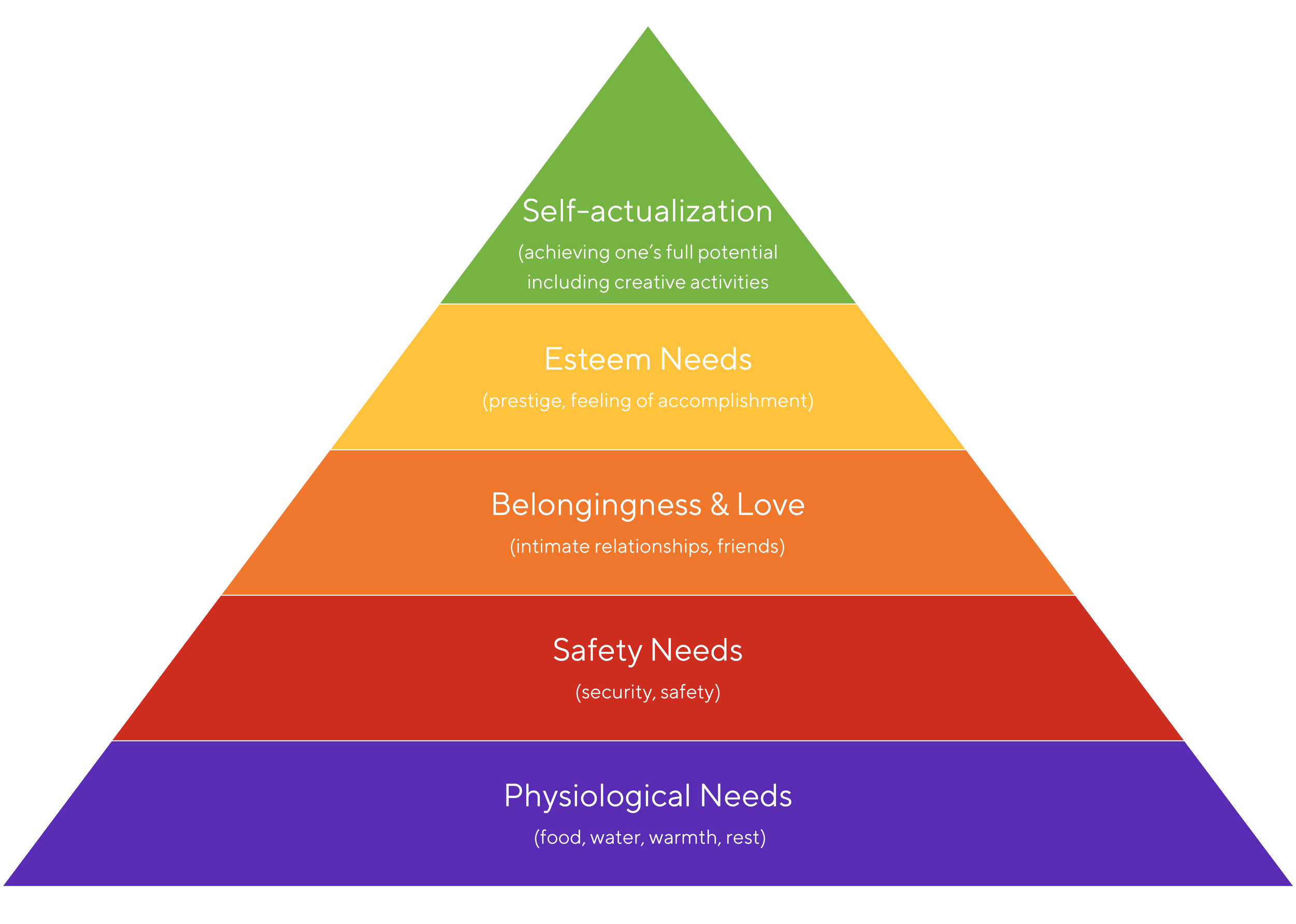
Ultimately, Maslow’s Hierarchy of Needs tells us that story. Clearly basic survival elements like air, water, food, shelter and sleep all take mental priority, so a brand like Xbox or Dove gets shoved out of the way so we can survive each day.
The human mind doesn’t store brands like an indexed directory, it stores brands like a mental triage system indexed by situations, needs, environments and contexts.
This is what a category entry point is - a moment where a potential buyer enters the category. For example, a category entry point for pain-killing pharmaceuticals - a bad nights sleep waking up with a sore back, or a headache all day at work, or problems with your iron levels - there’s a lot!
“Buyers use Category Entry Points to retrieve brands. This makes them attractive associations fir the brand… the more links to CEPs a brand has, relative to competitors, the greater the chance is that it will be salient in any buying situation” - Jenni Romaniuk & Byron Sharp, How Brabds Grow: Part 2
Brand Strategy often focuses on what a brand is (identity, values, positioning), which is not inherently wrong, but does miss important psychological aspects.
One of the most useful models in ‘How Brands Grow’ is how the human brain actually recalls options when the needs arise.
Why: “I need an afternoon energy lift without the sugar crash”
When: “It’s 11pm and I forgot to buy a gift for my mums birthday tomorrow”
Where: ‘I’m at an airport terminal with a 20-minute layover”
With Whom: “I’m ordering takeout for four people with different dietary requirements”.

Ok - so how does this all related to the filing cabinet? Think about the functional use of a filing cabinet. It’s something you store important information in, and something that you also organise with tabs or different sections. You put it in there, and you forget about what’s in there, until you actually need it. You then open it up, find the section you need your information or document from, and retrieve it.
That’s pretty much the exact psychological way that a category entry point is retrieved on - you access your minds filing cabinet of brands, and you choose the ones you’ve been able to store - for whatever reason that may be. It’s really a fairly simple concept when it boils down to it.
Jenni Romaniuk points out that a brand just doesn’t compete on one affinty; it' competes on the number of mental doors it has open.
A brand linked to 5 common buying situations will simply be retrieved more often that one linked to just one or two, even if both brands are well liked and do the exact same thing.
So what does this mean you need to do for your brand and/or marketing strategy?
Ask yourself this:
What specific moments in a customers day are we trying to link our name too?
If you’re looking for some help identify your brand/businesses category entry points, send us an email, we’d be glad to help you discover them, own them, and build a greater flow of new customers. We’re from Albury Wodonga, but are happy to service anyone who needs our expertise.
Enquire Below:
